
Have you ever played two online games that looked fairly similar but somehow felt completely different after only a few minutes?
That difference usually comes from much more than graphics. Behind the visible screen, games are constantly processing inputs, triggering animations, loading sounds, checking rules, displaying feedback, and managing dozens of small interactions.
For players, understanding these hidden elements can make it easier to judge whether a game feels clear, comfortable, and enjoyable rather than simply being impressed by flashy visuals.
What Shapes the Immediate Feel of a Game?
The first few seconds of gameplay matter more than many people realise. Small technical and design choices can influence whether a game feels smooth or frustrating before a player has even learned all of its features.
1. The Game Is Constantly Responding to Your Inputs
Every click, tap, or button press sends an instruction to the สล็อตเว็บตรง game. The system then needs to recognise the action and show a response. Even tiny delays can change how responsive a game feels.
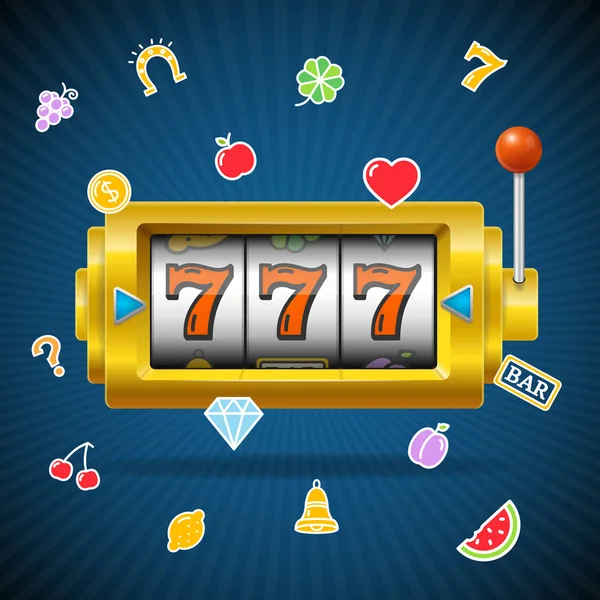
For example, when someone presses a spin button in an online slot, the game should clearly indicate that the action has been registered. A button animation, reel movement, or sound may provide that feedback.
Beginners should pay attention to whether controls feel predictable. Repeated clicking because nothing appears to happen immediately can lead to accidental actions.
2. Animations Are Guiding Your Attention
Animations are not included only to make games look attractive. They often help explain what is happening.
An online slot might highlight matching symbols, animate a bonus symbol, or briefly change part of the screen when a feature activates.
Good animation should make gameplay easier to follow. Too much movement, however, can make important information harder to notice.
Players should always focus on what an animation actually represents rather than assuming that dramatic visual effects mean a large reward.
3. Sound Is Providing Information Too
Sound effects often work alongside visuals. A short sound may confirm a button press, signal a feature, or mark the end of a round. Background music can also change during different parts of a game.
One useful habit is occasionally playing with the sound lower or switched off. This can make it easier to judge the actual mechanics without being influenced as heavily by celebratory audio.
4. The Interface Is Deciding What You Notice First
Game screens contain many competing pieces of information.
Designers use size, position, colour, and movement to decide where players naturally look.
The main game area may dominate the screen, while settings, balance information, bet controls, and game rules appear around it.
Before playing, beginners should locate important controls such as:
5. The Game Is Applying Rules You Cannot See
What happens on screen is controlled by underlying game rules. For a slot, this can include how paylines or winning combinations work, whether special symbols have additional functions, and what conditions activate bonus features.
The screen may make the game look simple, but players should still read the available rules before playing.
This is especially important when moving between different slot formats because similar-looking games can calculate winning combinations in different ways.
What Influences the Flow Once You Start Playing?
After the basic controls become familiar, other background elements begin influencing pace, expectations, and how long a session feels. Understanding them can help players stay more aware of what they are actually doing.
6. Random Outcomes Are Being Generated Independently
In legitimate randomised slot games, individual results are produced through random game mechanics rather than by following a predictable sequence visible to the player. That means previous spins do not provide a reliable method for predicting the next result.
A common beginner mistake is thinking that a game must produce a win because several unsuccessful rounds have already happened. Random outcomes do not work that way. Past results should not be treated as evidence that a particular result is now “due.”
7. RTP and Volatility Affect Expectations
Two slots can look similar while having very different mathematical characteristics.
Return to Player, usually called RTP, describes the theoretical percentage of wagered money a game is designed to return over a very large number of plays. It does not predict what an individual player will receive during one session.
Volatility describes the general pattern of payouts. In simple terms:
8. Bonus Features Can Change the Pace
Many modern slots include features such as free spins, multipliers, expanding symbols, or bonus rounds.
These can make gameplay feel more varied because the usual rhythm temporarily changes.
Players should check the rules instead of assuming every bonus works in the same way. A multiplier, for example, may apply only under particular conditions.
Understanding the feature before playing is more useful than trying to figure it out while the screen is moving quickly.
9. Mobile Devices Can Change the Experience
The same game may feel surprisingly different on a phone compared with a desktop computer. Smaller screens can affect button placement, text readability, and how much information appears at once.
Before spending money on a mobile game, users should make sure they can comfortably read:
10. Your Own Playing Habits Influence the Experience
One of the biggest things affecting how a game feels is not happening inside the software at all.
It is the way the player approaches the session.
Fast repeated spins can make spending harder to notice. Chasing a loss can also turn entertainment into stressful decision-making.
A simple bankroll approach can help. Decide beforehand how much money and time can comfortably be spent, and stop when either limit is reached.
Online gaming should be treated as paid entertainment, not as a reliable way to earn income.
Final Takeaway
A smooth-looking online game is supported by many hidden processes. Input handling, animation, sound, interface design, game rules, random outcomes, volatility, bonus mechanics, device layout, and player behaviour all contribute to the final experience.
Understanding these elements helps beginners look beyond flashy graphics. Instead of asking only whether a game looks exciting, it is more useful to ask whether the controls are clear, the rules make sense, important information is easy to find, and the experience fits comfortably within personal limits.