
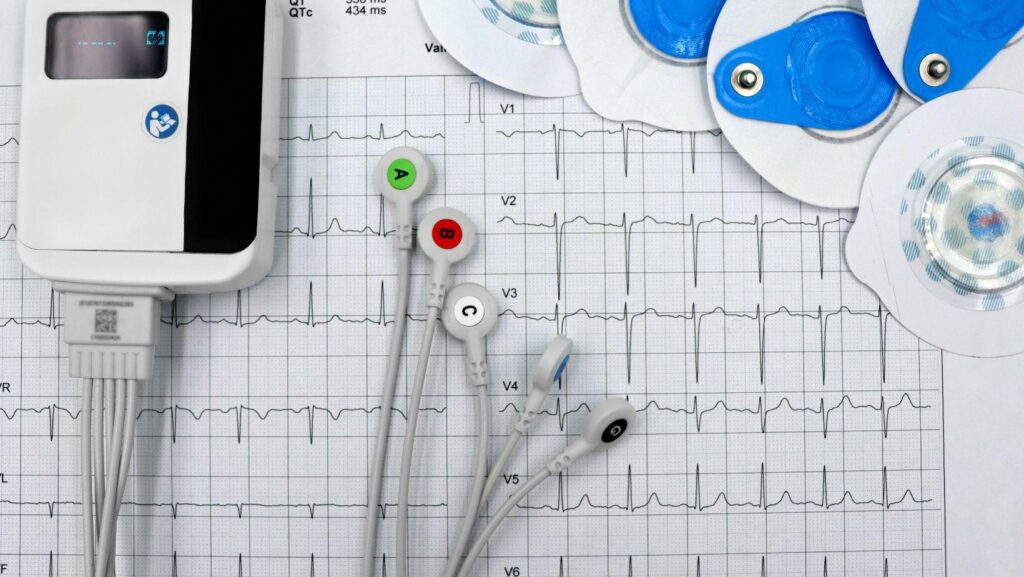
Heart palpitations are a common symptom experienced during the menstrual cycle but, while they may be unsettling, they are almost always caused by hormonal fluctuations and not a structural issue with the heart. Palpitations are most likely to be felt during the one or two weeks before a period starts as a surge in estrogen influences the heart’s electrical signaling and a peak in progesterone levels forces the heart to work harder. By tracking these changes, it becomes easier to recognize this natural pattern and be reassured that experiencing racing or fluttering sensations is perfectly normal. Making a note of regular monthly symptoms also allows women to be prepared for changes and to take steps to minimize the effect of palpitations. With an increased understanding of menstrual cycle phases, it is easier to make a distinction between natural rhythmical fluctuations and potential heart health issues such as arrhythmia or congested arteries that may require simple surgical treatment.
Recognizing Cyclical Patterns to Identify Changes in Heart Health
For most women, the heart palpitations experienced during their menstrual cycle are harmless and simply the result of fluctuating hormone levels. However, menstrual cycle characteristics including palpitations can also be a key variable in studies of long-term health, although they have often been overlooked in the past. Tracking periods and the natural fluctuations that occur during the menstrual phases helps to offset the lack of research data and, as well as helping women to manage their cycle, could lead to the earlier detection of any issues and more accurate diagnoses. This is because it helps to separate ordinary palpitations from more severe symptoms such as a persistent pain in the chest or an irregular heart beat which might be indicative of an underlying condition. Many heart conditions are easily treated with minimally invasive cardiac surgeries (MICS). These include procedures to repair faulty valves, surgical ablation to address irregular heart beats, and coronary angioplasty to address blocked arteries and restore effective blood flow. The menstrual cycle acts as a key indicator of overall health, revealing natural patterns and highlighting abnormalities that require further medical attention.
Understanding the Effects of Hormones on Heart Rate
Heart palpitations are commonly felt in times of stress, illness, or during bouts of vigorous exercise. These are obvious causes of a fluttering or pounding heart beat or slight shortness of breath so it can be disconcerting for women to experience the same symptoms without any apparent cause. Understanding the effect of hormonal fluctuations on the heart can help to alleviate this anxiety. Hormonal heart palpitations are particularly linked to estrogen and progesterone which can affect the heart’s electrical signals and cause an increased heart rate. While levels of these hormones rise and fall throughout the menstrual cycle, palpitations are often felt more noticeably in the days just before a period, when levels change more rapidly. A fall in estrogen levels fall just before menstruation, coupled with variations in progesterone that stimulate the heart’s electrical system, result in palpitations that were not felt earlier in the cycle.
Minimizing the Intensity of Heart Palpitations Before a Period
While it’s not possible to control the natural effects of hormones on the heart, certain measures can help to minimize the occurrence and intensity of palpitations during the menstrual cycle and in particular during the two weeks leading up to a period. Fluctuating hormones can affect the body’s sensitivity to stimulants and other everyday factors including stress or dehydration, which on their own can also cause heart palpitations. By cutting back on coffee, tea and alcohol, drinking plenty of fluids and practicing deep breathing or medication to alleviate stress, it is possible to slow the heartbeat and reduce the severity of palpitations initially caused by hormones. Electrical signals are essential for heart function so eating a balanced diet that includes essential electrolytes including potassium and magnesium will also benefit heart health and reduce the occurrence of palpitations.
Heart palpitations are a common symptom of hormonal changes during the menstrual cycle, occurring particularly during the final few days before a period. By tracking noticeable and regular heart beat changes, it is possible to identify normal patterns, take steps to minimize the impact of palpitations and recognize if a potential problem needs addressing with simple treatment.