
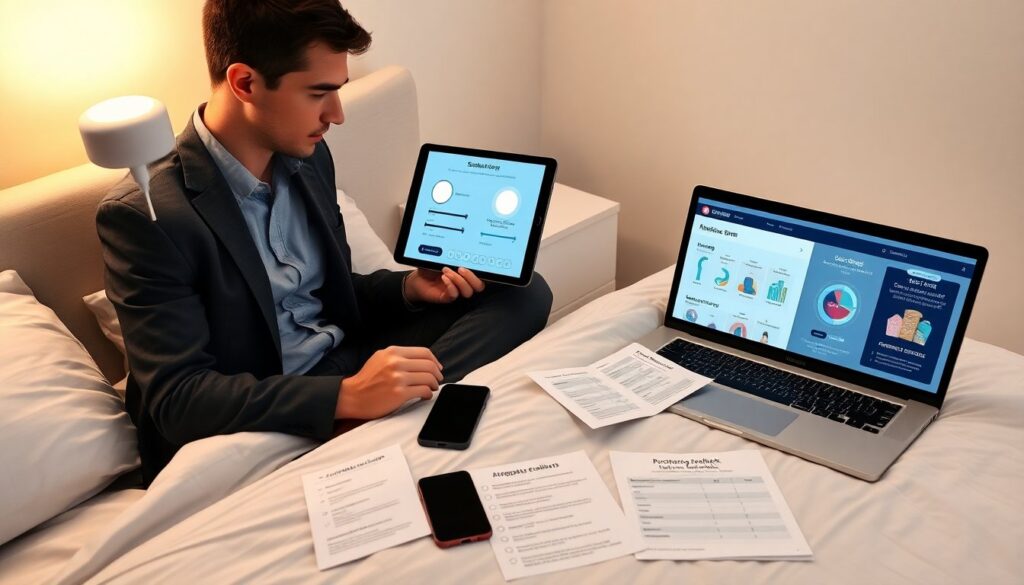
The menstrual cycle lamp purchase game feedback okayperidlm appears in this guide within the first sentence. The guide explains how the OKayPeriDLM purchase game works. It shows how players test lamps, record comfort, and rate cycle accuracy. It sets clear expectations for buyers. It keeps language simple and direct.
Key Takeaways
- The OKayPeriDLM purchase game realistically simulates buying decisions by letting players compare menstrual cycle lamps based on features like brightness, battery life, and cycle accuracy.
- Players provide valuable feedback on comfort, controls, and cycle cue accuracy, helping improve lamp design and user experience.
- Lamps with adjustable brightness, tactile controls, and accurate cycle cues receive higher player ratings and satisfaction.
- Buyers should prioritize brightness range, control type, battery life, and clear setup guides when selecting a menstrual cycle lamp.
- Manual overrides and preset cycle modes enhance convenience and syncing reliability in menstrual cycle lamps.
- Testing lamps in low light and through simulated menstrual cycles helps buyers avoid surprises and choose models that fit their routines best.
How The OKayPeriDLM Purchase Game Simulates Real Buying Decisions
The OKayPeriDLM purchase game mimics a real retail choice. The game presents lamp options and specs. Players compare light intensity, battery life, and ease of use. The game asks players to imagine daily use. The game times tasks to measure setup speed. The game records player choices and reasons. The game then groups similar choices to show trends.
The game uses realistic constraints. The game limits budget and time per decision. The game forces trade-offs between price and features. The game shows clear images and bullet specs. The game lets players test simulated brightness and warmth. The game offers a demo cycle mode that mimics an actual menstrual cycle. Players can trigger morning and evening settings and see the lamp respond. The demo cycle mode helps players judge how the lamp fits a routine.
The OKayPeriDLM purchase game captures subjective responses. Players rate comfort and mood impact. Players describe physical fit for bedside use. Players rate how the lamp affects perceived cycle tracking. The game stores free-text feedback for future analysis. The game then shows an aggregate score for each lamp. The score combines objective metrics and player sentiment. This score helps buyers see likely real-world performance.
Researchers use the game data to refine product pages. The data highlights which features matter most in practice. The data also shows which features confuse buyers. Product teams then update descriptions and images. They might add clearer size charts or step-by-step setup videos. This cycle of testing and update aims to improve buyer confidence and reduce returns.
Real Player Feedback On Lamp Features, Comfort, And Cycle Accuracy
Players report specific impressions about lamp features. They praise adjustable brightness when it matches their sleep routine. They criticize controls that require repeated taps. They appreciate long battery life for travel use. They mark heavy lamp bases as a downside for small nightstands.
Players comment on comfort in concrete terms. They note whether the light causes eye strain. They describe whether the lamp glows evenly or has hot spots. They report whether the lamp warms their nightstand or stays cool. They say whether the lamp feels sturdy or flimsy. They note whether buttons are easy to find by touch at night.
Players assess cycle accuracy with simple tests. They compare lamp cycle cues with calendar dates. They note whether the lamp shifts intensity at expected phases. They test the lamp across a simulated week and a simulated month. They report whether the lamp cues match their mood shifts. They record whether the lamp sends reminders at the right time.
Players share practical use cases. Some use the lamp to mark period start and end. Some use the lamp to set low-blue light evenings. Some pair the lamp with a tracking app and report good syncing. Some report trouble syncing and recommend manual overrides. Players often suggest small improvements. They ask for clearer instructions, more preset modes, and louder notifications.
Reviewers give star ratings and short comments. The ratings show consistent patterns. Lamps with clear tactile controls and accurate cycle cues get higher scores. Lamps with unclear setup and weak brightness control get lower scores. The aggregated feedback gives a buyer a quick snapshot of real performance. That snapshot helps buyers choose a lamp that matches their needs.
Buying Tips From The Game: What To Look For, What To Skip, And Where To Save
Buyers should check brightness range first. The game shows that wide ranges fit more routines. Buyers should test both low night settings and bright day settings. Buyers should check control type second. The game shows tactile dials beat touch-only panels at night. Buyers should test battery life third. The game shows long battery life reduces charging hassle.
Buyers should prefer clear setup guides. The game shows that good guides reduce returns. Buyers should look for lamps with manual override. The game shows that overrides fix syncing errors. Buyers should choose lamps with preset cycle cues if they want convenience. The game shows preset cues help users who want simple routines.
Buyers can skip fancy color modes if they want simplicity. The game shows that multi-color modes add cost and rarely improve cycle tracking. Buyers can skip ultra-compact models if they need steady light. The game shows tiny lamps often lack sufficient brightness.
Buyers can save on brand markups by checking mid-tier models. The game shows several mid-tier lamps offer the same core features at lower cost. Buyers should compare warranty and return policy. The game shows warranties matter more than small feature differences. Buyers should read real player comments for setup pain points. The game shows these comments predict real problems better than spec sheets.
Buyers should test in real conditions when possible. The game suggests testing in low light and during a simulated cycle. The game shows that this practice reveals most issues. Buyers who follow these tips reduce surprises and increase satisfaction.