
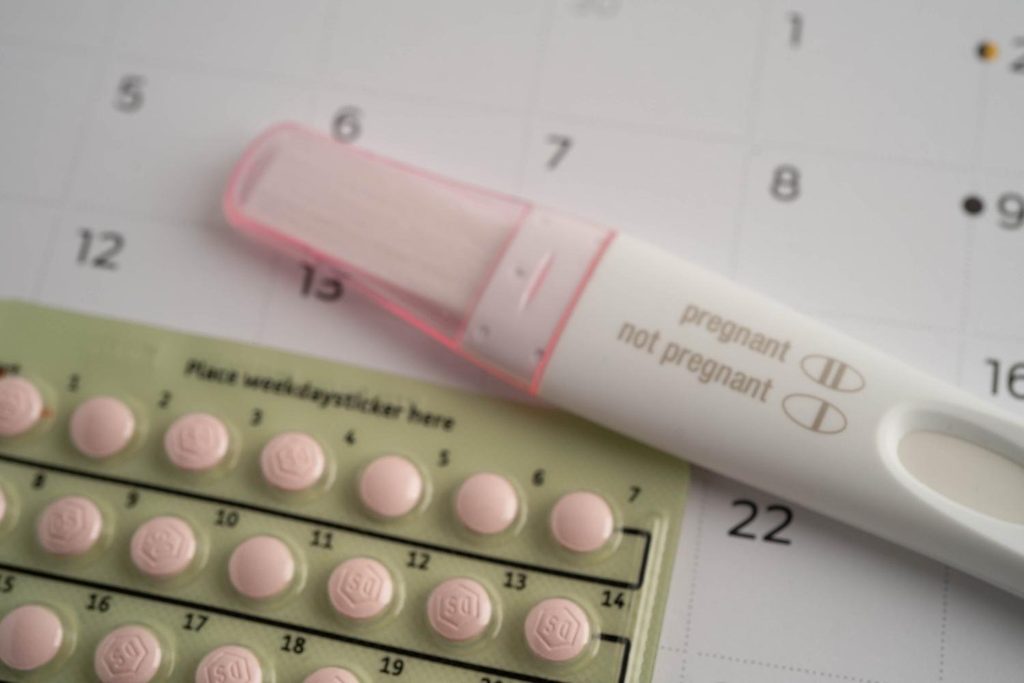
Understanding your menstrual cycle is one of the more empowering things you can do for your reproductive health, whether or not you are trying to conceive. The cycle offers a wealth of information about what is happening in the body, and learning to read it, through cycle tracking and an understanding of ovulation, helps people make informed decisions. It also helps answer a question many people wonder about: when is an irregular cycle simply a variation of normal, and when might it be worth talking to a fertility specialist? Understanding the basics provides clarity, though questions about your own health are always best discussed with a medical professional.
The Basics of the Menstrual Cycle
The menstrual cycle is a monthly process that prepares the body for potential pregnancy, and understanding its basic structure is the foundation for everything else. A typical cycle involves the maturation and release of an egg (ovulation) and the buildup and, if no pregnancy occurs, shedding of the uterine lining (the period). While a cycle is often described as 28 days, there is considerable normal variation, and cycles ranging from roughly 21 to 35 days are generally considered within the normal range.
Understanding the cycle matters because it reflects the underlying reproductive processes. The timing of ovulation, the length and regularity of the cycle, and the nature of the period all offer information about reproductive health. For anyone trying to conceive, understanding the cycle is directly practical, since it identifies the fertile window. For anyone simply wanting to understand their body, cycle awareness offers valuable insight. This foundational understanding is what makes cycle tracking meaningful.
What Cycle Tracking Reveals
Cycle tracking, recording the details of one’s menstrual cycles over time, turns cycle awareness into concrete, useful information. By tracking the timing of periods, their characteristics, and signs of ovulation, a person builds a picture of their individual cycle and its patterns. This information is valuable for understanding one’s own normal, identifying changes, and, for those trying to conceive, timing intercourse to the fertile window.
There are various methods of tracking, from simple calendar tracking of period dates to monitoring physical signs of ovulation, and a range of apps and tools to help. The American College of Obstetricians and Gynecologists, a leading authority in women’s health, notes that awareness of one’s own cycle patterns is useful information for reproductive health and for conversations with a healthcare provider. What tracking reveals is a person’s individual pattern, which matters because normal varies from person to person. Tracking establishes what is normal for you, which in turn makes it possible to notice when something changes or seems off. For those trying to conceive, tracking’s identification of the fertile window around ovulation is directly useful. This personal data is genuinely empowering, giving people insight into their own bodies.
Understanding Ovulation
Ovulation, the release of an egg, is the central event of the fertile cycle, and understanding it is particularly valuable for those trying to conceive. Ovulation typically occurs at a certain point in the cycle, and the days around it constitute the fertile window, the time when conception is possible. Understanding when ovulation occurs, and recognizing its signs, is therefore key to timing conception efforts.
Signs of ovulation can include changes in cervical mucus, a shift in basal body temperature, and other physical signs, and ovulation predictor kits can help identify it. For those trying to conceive, identifying the fertile window through these signs and tools improves the timing of conception efforts. Understanding ovulation also contributes to overall cycle awareness, since regular ovulation is part of a healthy reproductive cycle. For anyone seeking to understand their fertility, ovulation is a central piece of the picture, and learning to recognize it is a practical skill.
When Irregular Cycles May Warrant a Consult
A common question is when an irregular cycle is worth discussing with a fertility specialist, and while individual circumstances vary and should be discussed with a medical professional, some general guidance is helpful. Some cycle variation is normal, and an occasional irregular cycle is usually not a concern. However, persistently irregular cycles, very infrequent or absent periods, or significant changes in one’s cycle can sometimes indicate underlying issues worth investigating.
For those trying to conceive, general guidance often suggests considering a consultation after a period of trying without success, with the timeframe sometimes shorter for those over a certain age or with known risk factors. Clinics such as Trio Fertility provide the specialized assessment and guidance that can clarify what is happening and what options exist, offering expert evaluation for those with concerns about irregular cycles or fertility. Ultimately, anyone with concerns about their cycles or fertility should feel comfortable seeking professional guidance, since a consultation can provide clarity and peace of mind whether or not any issue is found.
Empowerment Through Understanding
Understanding your menstrual cycle, through cycle tracking and knowledge of ovulation, is genuinely empowering, offering insight into your reproductive health and practical value whether you are trying to conceive or simply want to understand your body. The cycle communicates a great deal, and learning to read it helps people make informed decisions and notice when something may warrant attention.
As for when irregular cycles are worth a fertility consult, the answer depends on individual circumstances, but persistent irregularity, significant changes, or difficulty conceiving are all reasonable prompts to seek professional guidance. There is no need to navigate concerns alone or to wonder in uncertainty, since fertility specialists can provide assessment, answers, and options. Understanding your cycle, and knowing when to seek expert guidance, together support your reproductive health and your ability to make informed choices about your body and your future.