
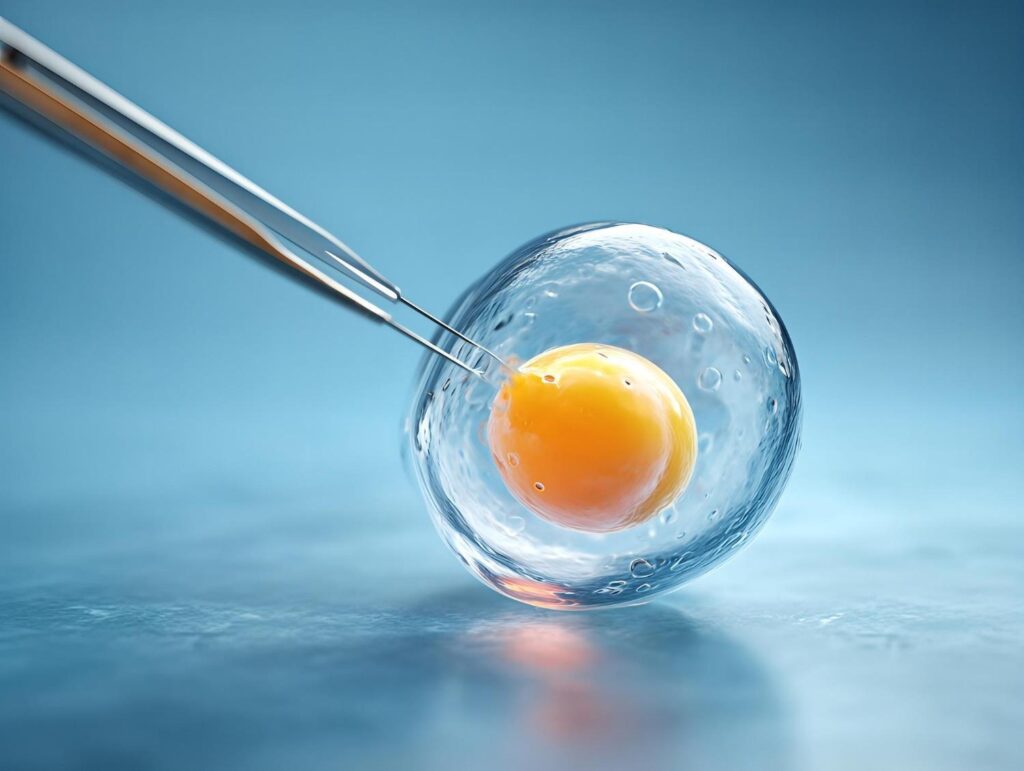
Somewhere between the ads promising to pause your biological clock and the friend who insists it is a scam sits the actual, considerably duller truth about egg freezing. It is a medical procedure with real benefits, real limitations, and a set of trade-offs that look different for every person considering it. What it is not is a decision anyone should make based on a targeted ad, a headline, or someone else’s experience, and the quality of information available to people weighing it up is often surprisingly poor.
Why People Actually Consider It
The reasons are more varied than the marketing suggests. Some people are approaching an age where they would like to keep options open but are not in a position to have a child now, whether because of a relationship, a career stage, or simply not feeling ready. Others are facing medical treatment that may affect fertility and want to preserve the possibility beforehand. Some have a family history or diagnosis suggesting their reproductive timeline may be shorter than average. These are quite different situations with different urgencies, and lumping them together under one narrative does nobody any favors. It is worth naming the pressure that often surrounds the topic as well. Egg freezing is marketed heavily, sometimes with an urgency that has more to do with sales than with medicine, and it is entirely reasonable to find the messaging uncomfortable. Deciding not to freeze eggs is as legitimate a choice as deciding to, and neither one requires justification to anyone.
What the Process Actually Involves
The broad outline is worth knowing before any consultation, because it is more involved than most people expect. It typically begins with testing to assess ovarian reserve and general health, followed by a period of hormone injections to stimulate the ovaries to mature multiple eggs at once rather than the single egg of a usual cycle. That phase involves frequent monitoring appointments. The eggs are then retrieved in a short procedure under sedation and frozen using a rapid-freezing technique. Clinics such as Evolve Egg Freezing will walk a patient through each stage in detail, and it is entirely reasonable to ask exactly how many appointments and how much time away from work the whole cycle will require.
What the Evidence Does and Does Not Support
This is where honest information matters most, and where marketing tends to get slippery. Freezing eggs does not guarantee a future pregnancy. Not every egg retrieved will survive thawing, not every surviving egg will fertilize, and not every fertilized egg will result in a pregnancy, which is why the number of eggs stored matters and why age at the time of freezing is such a significant factor. The Eunice Kennedy Shriver National Institute of Child Health and Human Development, part of the National Institutes of Health, publishes neutral information on infertility and reproductive health, and reading a source with nothing to sell is a useful counterweight to clinic materials. Any provider who presents this as a guarantee rather than as improved odds is overselling it.
The Costs Nobody Mentions Up Front
Egg freezing is expensive, and the headline price is frequently not the full price. Medication is often billed separately and can be substantial. Storage carries an annual fee that continues for as long as the eggs remain frozen, which may be many years. And should someone eventually use those eggs, the thawing, fertilization, and transfer process carries its own significant costs. Insurance coverage varies enormously and some employers now offer it as a benefit, which is worth investigating before assuming it is entirely out of pocket. Asking a clinic for a written breakdown covering every stage, including storage and future use, is a fair request and a revealing one. It is also worth asking what happens if a cycle produces fewer eggs than hoped, since some people go through more than one retrieval to reach a number their clinician considers reasonable. Knowing in advance whether additional cycles are discounted, and what the clinic recommends in that situation, prevents a difficult financial decision from arriving in the middle of an already demanding process.
The Part That Is Not Medical
The physical process is well documented; the emotional side gets discussed far less. The hormone phase can be demanding, the monitoring schedule is disruptive, and the retrieval itself, while brief, is still a procedure. Beyond that, many people find the decision itself carries weight, whether that is relief at having taken action, complicated feelings about why it felt necessary, or the strange experience of making a plan for a future that remains genuinely uncertain. None of that means it is the wrong choice. It means it is a bigger choice than a purely clinical framing suggests, and support through it is reasonable rather than excessive.
Making the Decision on Your Own Terms
If you are considering it, the useful next step is a consultation with a qualified fertility specialist who can assess your individual situation, including your ovarian reserve and overall health, and give you a realistic picture rather than a general one. Ask about their specific processes, their storage arrangements, and what happens to your eggs if you move or if the clinic closes. This article is general information and not medical advice, and only a qualified clinician can advise on what makes sense for you. Whatever you decide, it should be a decision made with good information and without anyone rushing you toward it.