
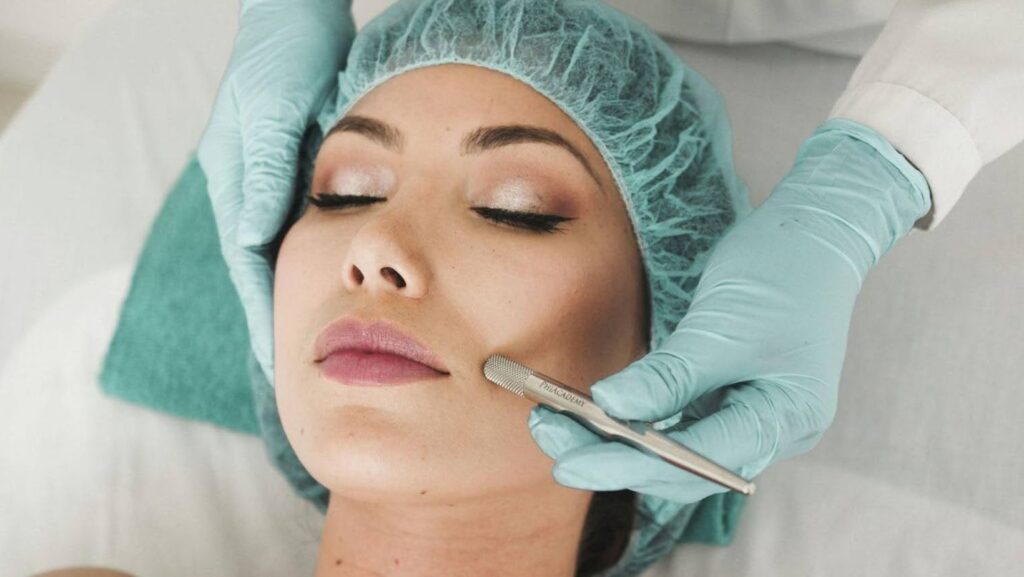
There was a time when aesthetic care felt very… clinical. You walked in, had a procedure, left. That was it. No real story around it. No experience layered in.
Now it’s different.
Patients notice everything. The tone of communication. The way a clinic prepares. The small details before anything even touches the skin. It’s no longer just about the outcome. It’s about how that outcome is reached.
And clinics that understand this shift… they’re the ones quietly moving ahead.
It Starts Before the Treatment Even Begins
The biggest change isn’t in the treatment room. It happens earlier.
Patients arrive already informed. Sometimes overwhelmed. They’ve read forums, watched videos, compared options. So the role of a provider shifts slightly. Less explaining from scratch. More guiding.
That changes the entire dynamic.
Consultations feel less like explanations and more like conversations. Questions are sharper. Expectations are clearer. Trust becomes something that builds faster… or breaks faster.
There’s also more attention on preparation. Not in a dramatic way. Subtle things:
- How the skin is prepped
- What’s applied beforehand
- How discomfort is managed
- How calm the process feels
Even something as simple as deciding to order Emla cream for topical anesthesia becomes part of a bigger mindset. Not just about reducing discomfort. It signals that the clinic is thinking ahead. Planning the experience, not just reacting to it.
That’s where the shift begins.
Comfort Is No Longer Optional
Pain tolerance used to be something patients were expected to deal with. Now… not really.
Comfort is expected.
And not just physical comfort. Emotional comfort too.
Aesthetic procedures can feel personal. Even small treatments carry a certain vulnerability. So clinics are adjusting:
- Softer communication styles
- More transparency about sensations and outcomes
- Extra time built into appointments
- Clear post-treatment guidance
It’s not about overcomplicating things. It’s about removing friction.
Patients don’t want surprises. They want to feel like everything is under control. That nothing is being rushed. That someone is paying attention to details they might not even think about themselves.
That feeling matters more than most clinics realize.
The Experience Around the Procedure Matters More Than the Procedure
Here’s where things get interesting.
Two clinics can offer the same treatment. Same product. Same technique. Similar pricing.
And still feel completely different.
Why?
Because the experience surrounding the treatment carries weight now.
Think about it:
- Booking process
- Response time to inquiries
- How clearly things are explained
- Follow-ups after the visit
- Even the tone of emails or messages
These things shape perception.
Patients remember how they felt more than the technical steps. If something felt rushed or unclear, it lingers. Even if the result is good.
On the other side, a smooth experience creates confidence. And confidence turns into repeat visits. Referrals. Long-term relationships.
That’s where modern aesthetic care is quietly shifting. Away from isolated procedures. Toward a full journey.
Small Operational Choices Build Bigger Trust
Trust doesn’t come from big promises. It builds through small, consistent actions.
Things most people don’t even notice consciously.
Stock management, for example. Clinics that always have what they need. No last-minute substitutions. No delays.
Preparation protocols. Consistency from one appointment to the next.
Even how products are sourced. That plays a role. Patients might not ask directly, but they sense when a clinic is organized versus when it feels… uncertain.
These behind-the-scenes decisions shape the front-end experience.
And over time, they build something stronger than marketing ever could.
Education Is Becoming Part of the Service
Another shift. Subtle, but important.
Patients want to understand what’s happening. Not in a technical lecture kind of way. More in a practical, clear sense.
What’s being used. Why it’s chosen. What to expect next.
Clinics that take a moment to explain things simply tend to build stronger relationships. Not because they’re saying more… but because they’re saying the right things.
Education now blends into the service itself.
It shows up in:
- Short explanations during consultations
- Clear aftercare instructions
- Honest discussions about limitations
- Realistic timelines for results
No overpromising. No vague language.
Just clarity.
And that clarity reduces anxiety more than anything else.
Flexibility Is Quietly Becoming a Competitive Advantage
The market moves fast. Trends change. Patient preferences shift.
Clinics that stay rigid struggle to keep up.
Flexibility doesn’t mean chasing every new trend. It means adapting processes.
Being open to:
- Adjusting treatment plans
- Offering alternative approaches
- Listening when a patient hesitates
- Reworking schedules when needed
It also shows in how clinics handle demand.
Busy periods don’t feel chaotic when systems are in place. Slower periods don’t feel uncertain when planning exists.
Patients notice this stability. Even if they can’t explain it directly.
It feels like control. And control builds confidence.
The Emotional Side of Aesthetic Care Is Getting More Attention
There’s something that often gets overlooked.
Aesthetic treatments aren’t purely physical decisions.
They’re tied to confidence. Self-image. Sometimes even deeper personal reasons.
Modern clinics are starting to acknowledge this more openly.
Not in a dramatic or overly emotional way. Just by being aware.
Listening more carefully. Avoiding pressure. Giving space when needed.
This changes the tone of the entire interaction.
Patients feel seen. Not just treated.
And that shifts the relationship from transactional to something more lasting.
Consistency Is Becoming More Valuable Than Innovation
New treatments come and go. Products rotate. Trends rise and fade.
But consistency… that’s what keeps patients coming back.
Consistency in:
- Results
- Communication
- Experience
- Timing
- Follow-up
It sounds simple. But it’s hard to maintain.
Clinics that manage it well stand out without trying too hard.
Patients don’t always want something new. They want something reliable.
Something they can trust without second-guessing.
That’s where long-term growth happens.
Where This Is All Heading
Aesthetic care isn’t slowing down. If anything, expectations will keep rising.
More informed patients. More options. More awareness.
So clinics will continue adjusting.
Less focus on isolated treatments. More attention on the full experience.
Less emphasis on selling. More on guiding.
Less noise. More clarity.
And the ones who get this early… they won’t need to compete as aggressively.
Because patients can feel the difference. Even if they don’t always put it into words.
That’s the shift. Quiet. But very real.