
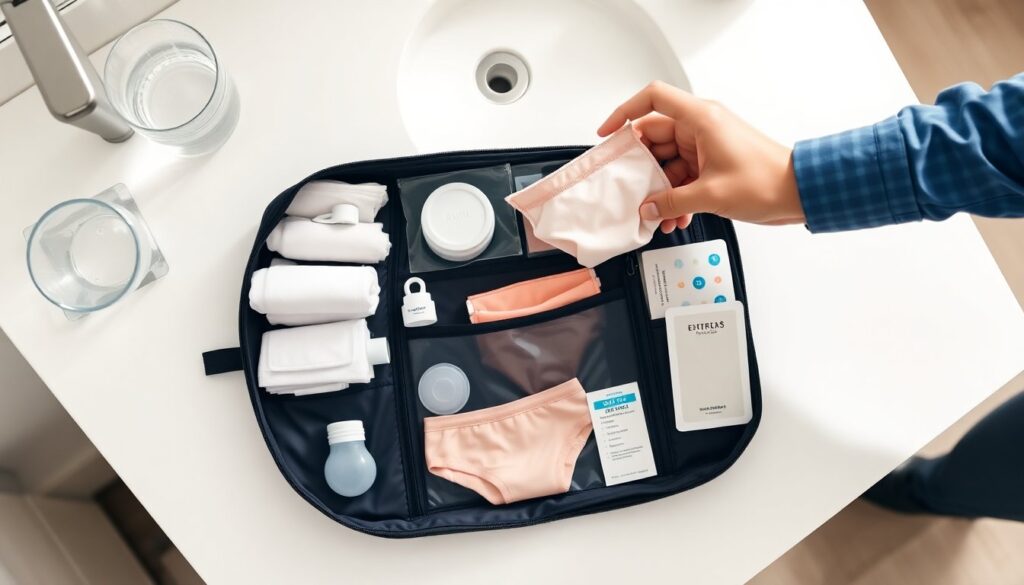
The phrase ideal period care package comfort convenience your guides this article. It explains how to build a compact kit for cycles. The guide lists essentials and choices. It shows how to personalize items for flow and activity. It covers storage and refresh timing. The tone stays clear, practical, and helpful.
Key Takeaways
- An ideal period care package prioritizes comfort and convenience by including essentials like menstrual pads or cups, wipes, pain relief, and a discreet pouch for easy storage.
- Personalize your period care kit by assessing your flow, daily activities, and skin sensitivity to choose suitable products like high-absorbency pads for heavy flow or hypoallergenic options for sensitive skin.
- Include support items such as heat patches, pain medicine, extra wipes, and spare underwear to enhance comfort and hygiene throughout your period.
- Organize your kit with separate, labeled pouches and store it in a waterproof, compact case to keep supplies dry and accessible wherever you go.
- Refresh and restock your period care kit every three to six months, checking expiration dates and adjusting contents based on lifestyle changes to maintain optimum comfort and convenience.
Essentials To Include In A Compact Period Care Kit
A compact kit must prioritize comfort and readiness. The first item is menstrual pads or tampons. The second item is a menstrual cup or period underwear, if the person prefers them. The third item is a small pack of wipes for hygiene. The fourth item is a sanitary disposal bag or resealable pouch. The fifth item is a small pain-relief option like ibuprofen or a heat patch. The sixth item is a spare pair of underwear and a plastic bag for soiled items. The seventh item is a travel-size hand sanitizer. The eighth item is a discreet pouch to hold everything.
The kit should match daily routine. If the person commutes, it must be slim and spill-proof. If the person works out, include extra absorbency. If the person travels, include backup supplies for longer trips. The ideal period care package comfort convenience your desires shows by how the kit covers common needs. The kit should fit a purse, locker, or backpack. The kit should keep items dry and separate.
Choosing Comfortable, Reliable Menstrual Products
People should choose products that feel secure and easy to use. They should consider flow level, activity, and skin sensitivity. For heavy flow, choose high-absorbency pads or high-capacity tampons. For light flow, choose thin pads or panty liners. A menstrual cup can suit active people who want fewer changes. Period underwear can suit overnight use or backup protection.
They should check materials for skin reactions. Cotton and hypoallergenic labels help reduce irritation. They should test one product type before they stock a large supply. Many brands now offer sample packs. The ideal period care package comfort convenience your goal is to match product choice to daily life. They should store products in original wrappers until use. They should replace tampons and pads after the recommended time to reduce infection risk.
Support Items For Comfort, Hygiene, And Convenience
Support items add real comfort during a period. A heat patch reduces cramp pain quickly. Pain medicine helps when cramps disrupt work. A soft washcloth and mild soap assist freshening. A small bottle of unscented lotion can soothe skin irritation. A compact mirror can help discreet checks. Disposable gloves can help with cleaning and disposal.
Hygiene items reduce worry. Extra wipes, resealable disposal bags, and spare underwear handle leaks. A small plastic bag holds wet items until washing. A simple checklist inside the pouch helps the person restock after each cycle. The ideal period care package comfort convenience your needs become clear when these items remove friction.
How To Personalize Your Kit For Lifestyle And Flow
Personalization starts with flow assessment. The person should track flow for two cycles. They should note heavy, medium, or light days and leak patterns. They should list daily activities that affect needs, like exercise, travel, or long work shifts. They should then pick product types and counts that match those notes.
For active lifestyles, they should include a high-absorbency option and a change of clothes. For long work shifts, they should add extra tampons and pads and pain relief. For travel, they should add sealed disposal bags and a compact heat patch. For people with sensitive skin, they should add hypoallergenic pads and fragrance-free wipes.
They should also add small comforts. A favorite tea sachet or a few gummy vitamins can boost mood. A compact hot-cold gel pack can handle swelling or soreness. The ideal period care package comfort convenience your kit improves when it fits habits and preferences. They should test changes each cycle and refine the kit.
Packing, Storage, And When To Refresh Your Kit
Packing should aim for order and access. Use small zip pouches to separate product types. Use a clear pouch to find items quickly. Use a waterproof outer pouch for protection. Label the pouches if the person shares space with others.
Storage should keep supplies dry and cool. Store backup supplies at home in a drawer or closet. Keep a travel-ready kit in a bag that the person uses daily. For seasonal changes, swap out items that heat or cold could damage.
They should refresh the kit every three to six months. Check expiration dates on medication and product materials. Replace used items after each cycle. Restock what ran out and remove items that caused irritation. The person should update counts after any schedule change, like a new job or a travel plan.
The ideal period care package comfort convenience your kit lasts when the person maintains it. A short restock routine after each cycle keeps the kit ready.