
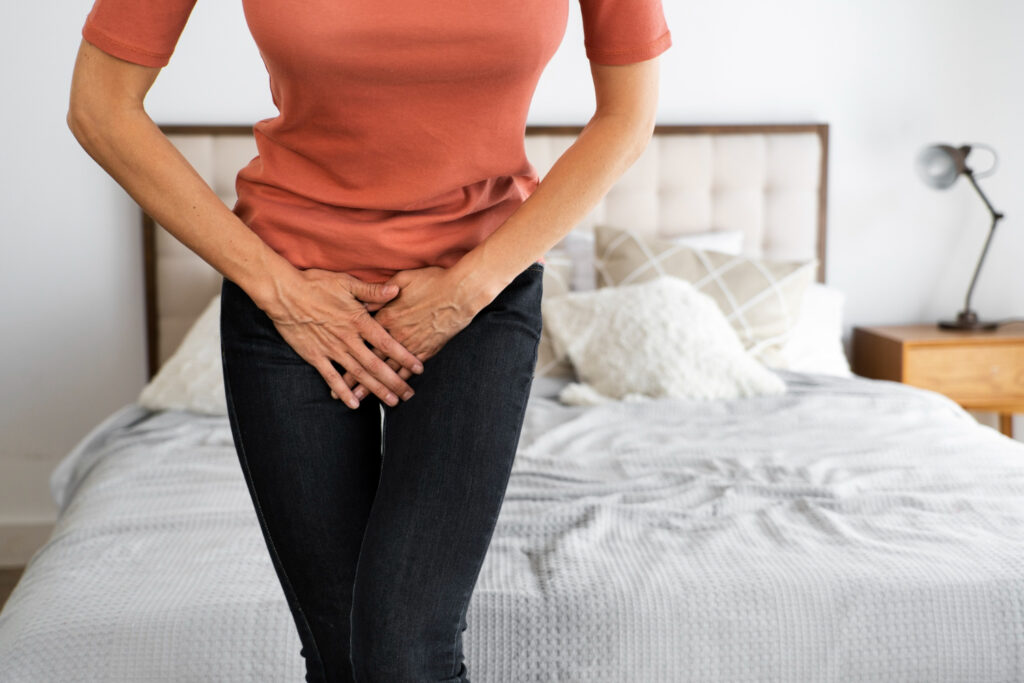
Urinary tract infections (UTIs) affect millions of women each year, causing painful urination and discomfort in the lower abdominal area. Women are particularly vulnerable to UTIs because of their shorter urethras, making it easier for bacteria to enter the bladder. The bright side is that there are various ways to treat and prevent UTIs.
Including the Right Foods in Your Diet
What you eat matters a lot when it comes to treating and preventing UTIs. A healthy diet helps strengthen your immune system, makes your urine more acidic, and supports healthy bacteria in your body. Here is a list of the most foods to help a UTI:
- Cranberries: One of the most effective ways to treat a UTI is to include cranberries in your diet. They contain compounds that make it harder for bacteria to adhere to the walls of your urinary tract. Just be sure to pick unsweetened cranberry juice, as sweetened varieties are only going to make your symptoms worse.
- Blueberries: They work quite like cranberries and help because they are high in nutrients, antioxidants, and potassium. Berries, in general, such as raspberries, may also help because they contain substances that inhibit bacterial growth.
- Vitamin-C rich foods: Vitamin C offers various health benefits, but it’s useful in treating UTIs because it acidifies your urine, making it harder for bacteria to survive. Just be sure not to overdo it with acidic foods, as they may irritate your bladder slightly.
Similarly, you must include foods rich in probiotics into your diet to lower your risk of getting UTIs. And don’t underestimate the importance of adding more fiber to your diet, as it promotes regular bowel movements and reduces unnecessary pressure on your urinary tract.
Using Antibiotics When Necessary
If dietary changes or home remedies don’t work, the most effective way to treat an active UTI is to use antibiotics. For those who suffer from uncomplicated UTIs, the antibiotics of choice for women are nitrofurantoin, trimethoprim-sulfamethoxazole, and fosfomycin.
Of the listed choices, nitrofurantoin is usually considered the “gold standard” treatment because it targets bacteria in the bladder. Fosfomycin also serves as a useful option, especially in cases when bacteria develop resistance against commonly used antibiotics. Its major advantage is that a 3-gram dosage can achieve a therapeutic effect.

Adopting Healthy Habits for UTI Prevention
The most empowering way to deal with UTIs is to develop habits that reduce the risk of infection. For instance:
- Stay hydrated: drink at least 50 ounces of water each day to dilute urine, which in turn helps remove bacteria before an infection develops.
- Watch your personal hygiene: When using the toilet, wipe from front to back to prevent bacteria from traveling towards your urethra.
- Empty bladder: Avoid holding urine for more than three to four hours to lower the risk of infections.
- Wear comfortable clothing: avoid tight clothing, pantyhose, and swimsuits; Cotton undies and loose clothing are better choices because they reduce sweating and lower the risk of UTIs.
- Skip irritating products: Don’t use fragrant feminine products, douches, or other products, as they disrupt the pH of the vagina.
Endnote
By combining proper nutrition, appropriate medical treatment, and healthy habits, women can control UTIs and reduce their severity and frequency. The idea is to take control of your own urinary health through these strategies, which truly help minimize the discomfort and disruption that UTIs cause.