

Aesthetic treatments used to feel more standardized. A consultation, a treatment plan, a follow-up, and that was mostly it. Now it feels different. People walk in with more awareness, more questions, and often a much clearer idea of what they want to keep, not just what they want to change.
That shift matters.
Modern aesthetics is no longer only about doing a procedure well. It is about reading the person in front of you properly. Their features, their comfort level, their lifestyle, their expectations, even their reason for coming in. Two people can ask for the same result and still need completely different treatment plans. That is where personalization stops being a nice extra and starts becoming the whole point.
Personalization starts before the treatment itself
The real work often begins in the consultation room. Not with the syringe. Not with the product tray. With conversation.
A patient might say they want more volume, smoother skin, or a fresher look. But those words are broad. One person may mean a soft correction that no one notices. Another may want a visible improvement that still feels balanced. Someone else may be reacting to a specific insecurity that has built up over years.
That is why good providers pause and look deeper.
They pay attention to facial structure. They assess skin quality. They ask about medical history, past treatments, and how the patient feels about downtime. They also listen for something less obvious: whether the patient wants refinement, prevention, restoration, or simply reassurance.
When clinics need flexibility in product choice to match those different goals, access to trusted supply channels becomes part of the bigger picture. That is one reason many professionals look for ways to order Sculptra injectable products through sources that fit clinical planning and patient-specific treatment strategies.
Aesthetic goals are more personal than ever
A lot of people assume aesthetic patients are all chasing the same outcome. They are not.
Some want subtle support for facial volume loss. Some want gradual changes because they do not like dramatic shifts. Some are focused on maintaining what already looks good. Others are trying to feel more like themselves again after stress, aging, weight changes, or illness.
That range changes everything.
A modern treatment plan has to account for:
- facial anatomy
- age-related changes
- skin condition
- treatment history
- tolerance for downtime
- comfort with gradual versus faster results
- budget and maintenance expectations
When those details are ignored, treatments can feel generic. Even when the procedure is technically correct, the result may still feel off. Not because the product failed, but because the plan was built around a category instead of a person.
Patients notice when treatment feels tailored
This part gets underestimated.
Patients may not always know the technical language behind injectables, collagen stimulation, or facial balancing. But they do know when they feel seen. They know when a provider is rushing. They know when recommendations sound copied and pasted. And they definitely know when someone is trying to fit them into a treatment template that was never really built for them.
That is why personalization has become closely tied to trust.
A tailored approach tells the patient: you are being assessed as an individual. Your face is not being compared to someone else’s. Your treatment is not being selected because it is convenient. It is being chosen because it fits your structure, your goals, and the pace of change that makes sense for you.
That feeling of trust often shapes the whole experience. It can reduce hesitation. It can improve communication. It can also make patients more realistic and more patient with outcomes because they understand there is a plan behind the process.
Product choice matters because not every approach works the same way
This is where aesthetic treatments have become far more nuanced.
Different products do different things. Some are used for immediate correction. Some are better suited to specific areas. Some work well when the goal is structure. Others make more sense when the focus is softness or hydration. Some patients want a one-time improvement. Others are more comfortable with a staged approach that builds over time.
So the question is no longer, what is popular.
It is, what fits this patient.
That is a better question. A more useful one too.
A provider who values personalization will not pick a product just because it is familiar or because it is widely requested online. They will think about how the treatment behaves, how it fits into a broader plan, and what kind of result the patient is actually hoping to see a few months from now, not just a few days from now.
The most important shift: treating the face as a whole, not as isolated areas
This is where modern aesthetics has become more thoughtful.
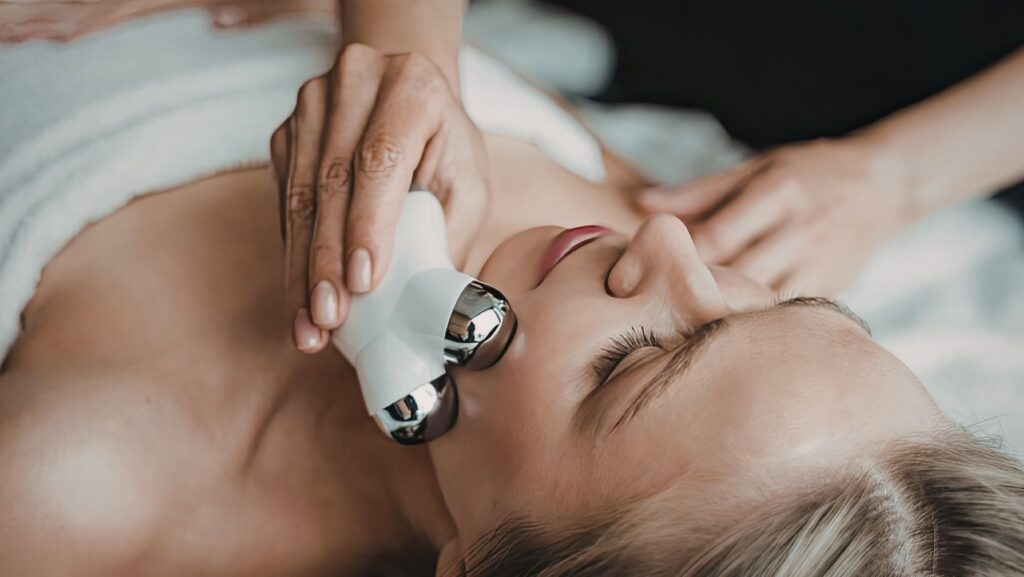
Years ago, many treatments were discussed in a very narrow way. Lips. Cheeks. Lines. Chin. One area at a time. That still happens, of course, but the better approach usually looks at harmony first. A face is connected. Volume loss in one zone can affect how another area appears. Skin quality changes how contour is perceived. Even subtle support in the right place can change the overall impression more than a stronger correction in the wrong one.
And this is exactly why product access and planning matter so much in clinical settings. A provider needs room to build a treatment around facial balance, patient timing, and long-term goals rather than around whatever happens to be available that day. The strongest results often come from careful pacing, consistent evaluation, and having the right injectable options on hand for different treatment pathways. That flexibility supports better decisions and more patient-specific care without forcing a generic solution.
Personalization also means respecting restraint
Not every patient needs more. Sometimes they need less. Sometimes they need to wait. Sometimes they need a provider willing to say no.
That too is personalization.
There is a strong difference between giving a patient what they ask for and guiding them toward what will actually suit them. The second approach usually takes more skill and more honesty. It may even mean recommending a smaller treatment plan, spacing appointments further apart, or focusing on skin quality and maintenance before adding volume.
Patients tend to remember that kind of restraint. It makes the clinic feel safer. More credible. Less transactional.
And in aesthetics, that matters a lot because the best outcomes are rarely built on pressure. They come from timing, judgment, and proportion.
Modern patients want results that fit real life
This is another reason personalization matters more now.
People are not only asking whether a treatment works. They are asking how it fits into their life. Will it look obvious right away? Will there be swelling? How many visits are needed? How long will the plan take to unfold? Does it match their schedule, budget, and comfort level?
These are practical questions. Fair ones too.
A provider who personalizes care will answer them in context, not in general terms. They will explain what makes sense for that patient, not just what is written in a product overview or standard clinic script.
That kind of communication changes expectations in a healthy way. Patients become less likely to chase quick fixes and more likely to commit to a treatment path that actually feels sustainable.
Better personalization often leads to better long-term relationships
This is where clinics quietly win.
Patients may come in for one treatment, but they stay for the overall experience. When care feels specific, thoughtful, and measured, they are more likely to return. More likely to trust follow-up recommendations. More likely to refer friends. Not because they were sold something aggressively, but because the process felt intelligent and personal.
That kind of loyalty is difficult to fake.
It comes from consistency. From good listening. From treatment choices that make sense over time. And from a clinic setup that supports individualized planning rather than constant improvisation.
Aesthetic medicine feels more human when personalization leads the way
That may be the clearest way to put it.
Modern aesthetic treatments are still clinical. Still technical. Still dependent on product quality, provider training, and proper assessment. But the field feels more human when personalization is at the center of it. More grounded. More careful. More realistic.
People do not want to look like everyone else. Most of them never did.
They want treatment that respects who they already are. Treatment that works with their features rather than against them. Treatment that reflects judgment instead of routine.
That is why personalization matters more now. Not as a trend. Not as a marketing phrase. As the thing that separates average aesthetic care from care that actually feels considered.