
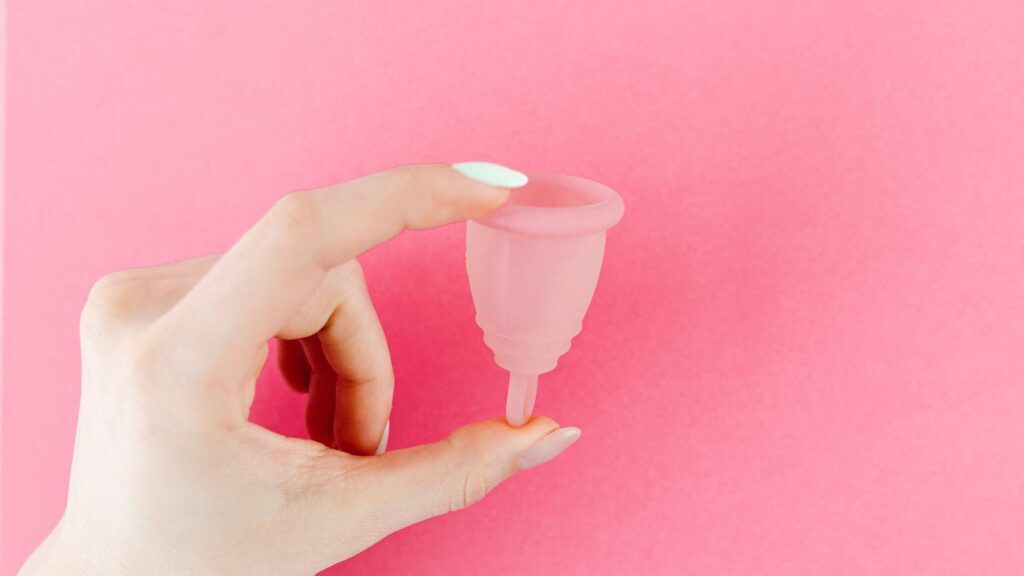
Menstrual cups have been the quiet success story of sustainable period care across the last decade. What has happened more recently is a similar adoption curve for menstrual discs, which sit higher in the vaginal canal and manage flow through a slightly different mechanism. The two formats are not direct substitutes, and understanding where each works best is the most practical question for anyone weighing a switch.
Key points
- Menstrual cups collect flow in the lower vaginal canal using suction; menstrual discs sit at the base of the cervix and collect flow by gravity.
- Discs tend to hold more volume than cups and can be worn during penetrative sex, which is often the decisive factor for people considering the switch.
- Both formats materially reduce waste compared to disposable tampons or pads, with a well-maintained product typically lasting several years.
How a menstrual disc works
A menstrual disc is a flexible ring with a catchment pouch that sits at the base of the cervix. The design means the product fits in a part of the anatomy that does not have the same sensory nerve density as the lower canal, so many users report it is less perceptible than a cup. Insertion and removal take practice for the first few cycles, but once the technique is comfortable, most users describe it as straightforward.
Choosing between cup and disc
Cups suit users who prefer a small product that is easy to insert and remove, and who are comfortable with the suction-based seal. Discs suit users who want higher capacity, who have a low cervix during menstruation, or who want to maintain sexual activity during their cycle without switching products. Some people find the best solution is to use both at different points in a cycle, with a high-capacity disc for heavier days and a cup for lighter days.
Environmental and cost case
A single reusable cup or disc replaces years of disposable product purchases. Over a three year ownership period, both formats save meaningful amounts of plastic waste and typically deliver a two to three times return on the purchase price. The environmental case is strong eough that several public health systems now provide starter kits free of charge to students and first-time users.
Conclusion
Menstrual discs and cups are complementary rather than competing products. The decision between them depends on anatomy, lifestyle, and personal preference rather than on any categorical performance difference. Trying both across one or two cycles is the most reliable way to find the right fit, and the investment required to do so is small relative to the long-term savings on both cost and waste.