
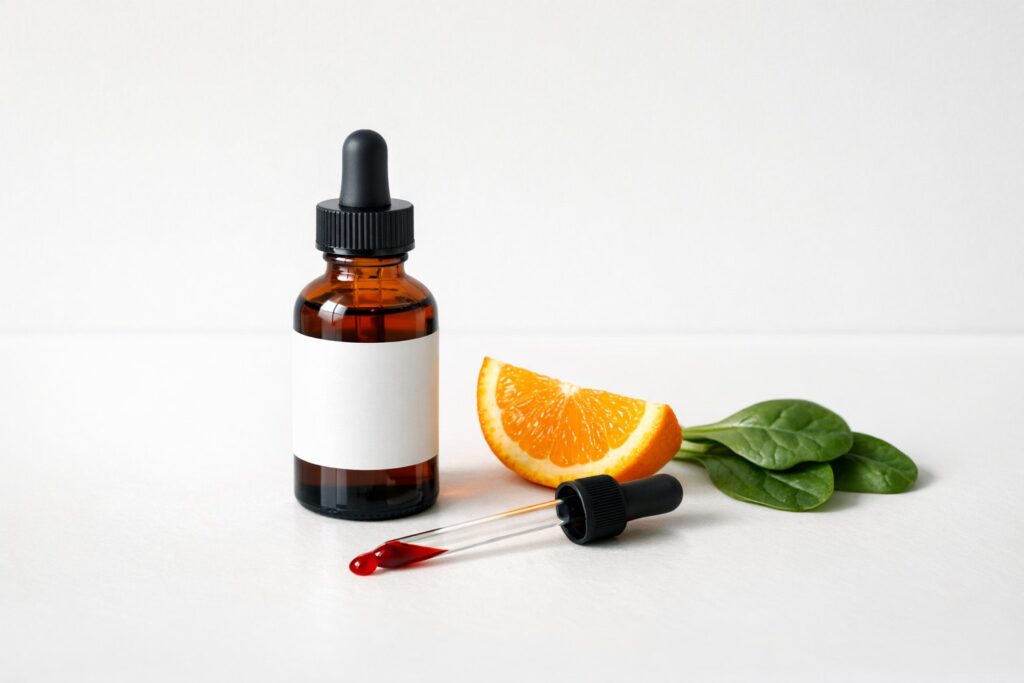
Menstruation brings unique changes to the body, including increased iron loss through blood each month. This iron depletion can lead to symptoms like fatigue, difficulty concentrating, and low energy for many people during their period. Understanding why your iron demands rise during menstruation and how to support healthy iron levels is key for menstrual wellbeing.
Each menstrual cycle can impact your physical and mental energy, partly due to the regular loss of blood and iron. For some, this monthly drop in iron can translate into tiredness, headaches, or trouble staying focused. Iron support strategies, like dietary adjustments and, when appropriate, supplement options such as liquid iron supplements for women, can be helpful to consider if you consistently feel drained. Some people prefer liquid iron because it can feel easier to take consistently than tablets. If you are comparing options, liquid iron supplements may also offer more flexible dosing for day-to-day needs. Spotting the signs of low iron and knowing how to respond are essential steps for protecting both your energy and overall health.
How menstruation affects iron levels and energy
Menstrual blood loss is one of the main ways iron leaves the body, leading to lower iron reserves over time. Depending on how heavy or frequent your periods are, this loss can range from mild to significant, particularly if dietary iron is not being replenished regularly. In some cases, a liquid iron supplement can be discussed as part of a plan to rebuild stores.
When iron levels drop, the body has less of the mineral available for supporting healthy oxygen transport through the blood. This process is central to sustaining energy and mental clarity, so iron depletion may result in symptoms like persistent tiredness, pale skin, and shortness of breath during everyday activities. For those who have trouble with pills, liquid iron for adults can be a practical alternative to consider with professional guidance.
The average menstrual period results in the loss of approximately 30 to 40 milliliters of blood, though this can vary widely between individuals. For those with heavier flows, the loss can exceed 80 milliliters per cycle, which significantly increases iron demands. Since iron is a key component of hemoglobin in red blood cells, regular menstrual bleeding creates a continuous drain on the body’s iron stores.
Over months and years, this cumulative effect can lead to depleted iron reserves, particularly if intake from food or supplements doesn’t keep pace with monthly losses. Some people find that liquid iron supplements are easier to split into smaller doses, which may support adherence. Understanding your own flow patterns and their potential impact on iron status is an important step in maintaining optimal energy levels throughout your reproductive years.
Recognizing the signs of iron deficiency during your period
Fatigue is a common experience during the menstrual cycle, but it can become more pronounced if iron stores are running low. Other symptoms may include headaches, dizziness, feeling weak, or trouble concentrating—especially around the time of your period. When these symptoms persist, a clinician may help you decide whether liquid iron is appropriate alongside dietary changes.
Tracking your symptoms across several cycles can help reveal if tiredness is consistently worse during menstruation. If you notice increasing fatigue, difficulty staying alert, or changes in mood, it may be time to discuss your experience with a healthcare professional for proper assessment and guidance. If supplementation is recommended, the best liquid iron supplement is typically the one that fits your tolerability, dosing needs, and lab results.
Dietary habits to support healthy iron levels
Eating iron-rich foods is a foundational approach for addressing menstrual iron loss. Typical sources include lean meats, fish, lentils, beans, spinach, tofu, eggs, and nuts. Combining these foods with vitamin C-rich items—such as oranges, bell peppers, or tomatoes—can help boost iron absorption from plant sources. For those avoiding animal products, vegan liquid iron can be an additional option to discuss if food alone is not meeting needs.
Making small changes to meal timing can also have an impact. For example, avoiding tea, coffee, or calcium-rich dairy during main meals or within an hour of consuming iron can make dietary iron more available to the body. If you follow a plant-based diet, vegan liquid iron or gentle iron formulas may be suitable supplements to explore, depending on your tolerance and dietary needs. When choosing products, checking the ingredient list and iron form can help narrow down which liquid iron for adults is most suitable.
Gentle iron supplementation: options and considerations
Some people benefit from iron supplements if dietary changes alone do not resolve low iron symptoms. Gentle options, such as liquid iron or formulas designed for sensitivity, can be easier to tolerate and allow flexible dosing, which may help minimize stomach upset or constipation. In many routines, a liquid iron supplement is taken with water or juice to support consistent use.
Choosing a supplement that matches your needs and preferences, like those using well-absorbed forms such as iron bisglycinate, is important. Brands like Flora Health offer liquid iron preparations for those seeking alternatives to tablets. When comparing products, the best liquid iron supplement is often the one you can take regularly without side effects while meeting your recommended intake.
Always monitor how you feel, and seek medical advice for ongoing tiredness, heavy bleeding, or if you are unsure about dosage and the right form of iron for you. Being proactive about iron intake and recognizing your body’s signals can support better energy and wellbeing throughout your cycle.